 Step by Step Guide
 How to stay safe while traveling, from departure to return
A practical guide to staying safe on a trip: documents and copies, travel insurance, money and cards, safe lodging, transport, health care, and what to do when something goes wrong.
Updated
A good trip is not only one that goes right; it is one that keeps going right when something falls off the plan: a lost document, a blocked card, a delayed bag, a wave of nausea in the middle of the night. Safety while traveling is not paranoia, it is preparation. Almost every problem abroad gets worse because the person had no plan B within reach.
This guide works for any trip — tourism, work, visiting family — and any destination. It does not teach you to handle violent situations; that is a different conversation. It shows how to set the foundations so that an ordinary setback is solved in a single morning instead of becoming a week of headaches.
One rule before anything else: travel safety is built in layers. None of them is infallible on its own, but each one shrinks the damage when the next one fails. A document copy does not prevent theft, but it prevents a theft from becoming the end of the trip.
Before you start
Get a few things ready before departure. This is what most people only do after the first headache.
- Copies of every document, in the cloud and in your email
- A trusted contact back home who knows where you will be
- The number of your country’s consulate or embassy saved on your phone
- Travel insurance purchased and the policy saved offline
- A backup card separate from your main card
- Your bank app with purchase blocking and alerts enabled
Organize your documents and spread the copies
Your passport or ID is the most valuable object of the trip, which is exactly why it cannot exist in only one place. The rule is: the original stays in one secure pocket or bag, and at least two copies stay in separate places.
Photograph or scan your passport, insurance, reservations, tickets, and vaccination record, and save them in two independent places: a cloud folder and an email to yourself. Scan the identification page, not just the photo. Leave a physical copy with someone you trust at home. On your phone, save everything in an offline file you can open without connection, and never keep the originals in the same place as the copies.
Know how strong each document is: in many destinations only the passport counts as ID, and a national ID card is not always accepted. Write the lodging address, the flight number, and the insurance phone number on paper. Phone batteries die, and paper in your pocket always works.
Buy travel insurance with decent medical coverage
Travel insurance is the thing nobody wants to buy and everyone needed at some point. What defines its quality is not the price, it is the medical coverage ceiling. The classic headache is thinking you are insured and discovering in the hospital that the coverage is symbolic.
Medical coverage is the criterion that decides everything: destinations with expensive health care need higher limits, and one night of hospitalization can cost more than the whole trip. Read what is excluded. Skiing, diving, high-altitude hikes, and motorcycles are usually outside the basic coverage; if you plan to do them, look for the add-on. Check whether there is 24-hour support in a language you speak and whether the reimbursement process is simple — in some cases the center pays the hospital directly, so you never front the money.
Buy it before you board. Most policies require the purchase to come before the trip begins, and anyone who buys in the middle of a disaster risks having no coverage at all. Keep the policy and the center’s phone number in the same place as your documents, in a physical and offline copy.
Separate your money and cards strategically
The rule of thumb for money on a trip is to never have everything in the same place. The combination that almost always works: an international credit card as the main tool, a prepaid card in local currency as a backup, and a small amount of cash for taxi drivers, tips, and merchants that do not accept cards. Put cards and cash in different pockets, and leave one card in the hotel safe.
Tell your banks you will be traveling and confirm in the app that international use is enabled. A foreign-currency purchase triggers fraud alerts easily, and a card blocked abroad is a nasty problem to solve. Do not keep all your cards together with all your money: the goal is that one scam or one theft does not take everything.
Have a plan for what stays home. Leave someone you trust with access to a reserve sum and to the document list, in case you need a transfer. And avoid flashing money in public: paying from your wallet in line, counting bills in the queue, and opening your wallet in a crowded area are the gestures that pick out your next victim.
Choose lodging that is safe, not just pretty
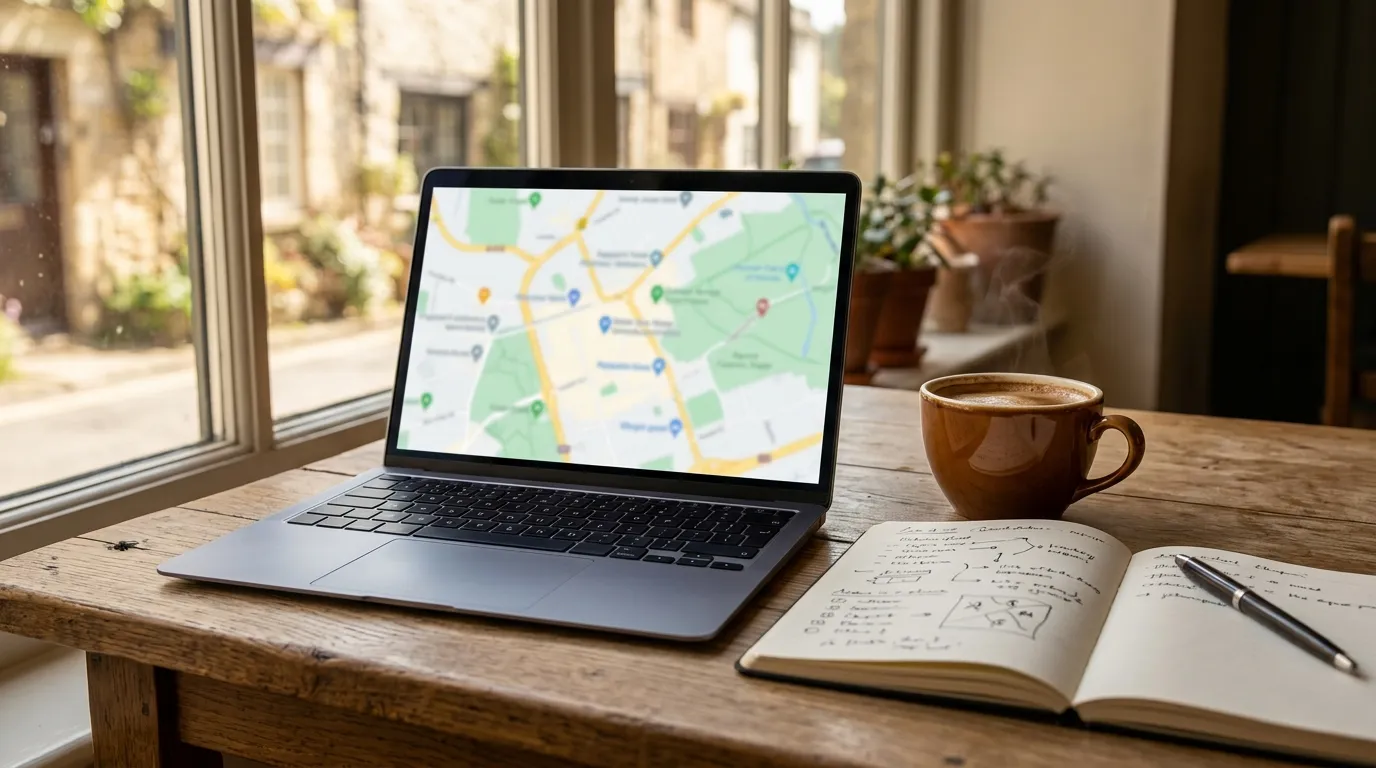
Safe lodging is not the most decorated one; it is the one that reduces the chance of a problem. Before booking, look at the neighborhood on the map and read reviews from the last few weeks, not old ones. A good hotel in a central neighborhood is usually safer than a fancy one in a distant, poorly lit area, because you walk back late with less chance of a bad encounter.
Also consider the entrance and access: a building with a 24-hour reception, a front desk, a controlled lobby. If you are staying somewhere smaller, confirm the entry is direct and that there is no street-level window that is easy to reach. On arrival, ask where the nearest safe is and use it for your passport and the money you will not use that day, instead of leaving them in your bag.
And agree with the front desk on the visitor and document-exchange policy. It sounds like overkill, but lodging that does not record who enters is exactly the scenario that attracts trouble. Discretion matters too: you do not need to announce your lodging address on social media during the trip.
Transport: arrange it before you need it
Most transport problems happen because the person decides at the last moment, in a place they do not know. Arrange it first: the airport transfer, the city-to-city trip, the ride home from the party. Official transport — a licensed taxi, a ride app, a booked transfer — costs more than a ride from a stranger, and that is precisely what makes the difference against a scam.
Never accept a ride offered in the terminal, in the parking lot, or outside a night out. The private-ride salesperson, the driver who “happens to be passing by,” and the one whose taxi is somehow “with another customer” are the classic transport-scam setups. With a ride app, confirm the plate and the name before you get in; if they do not match, do not get in and call the center.
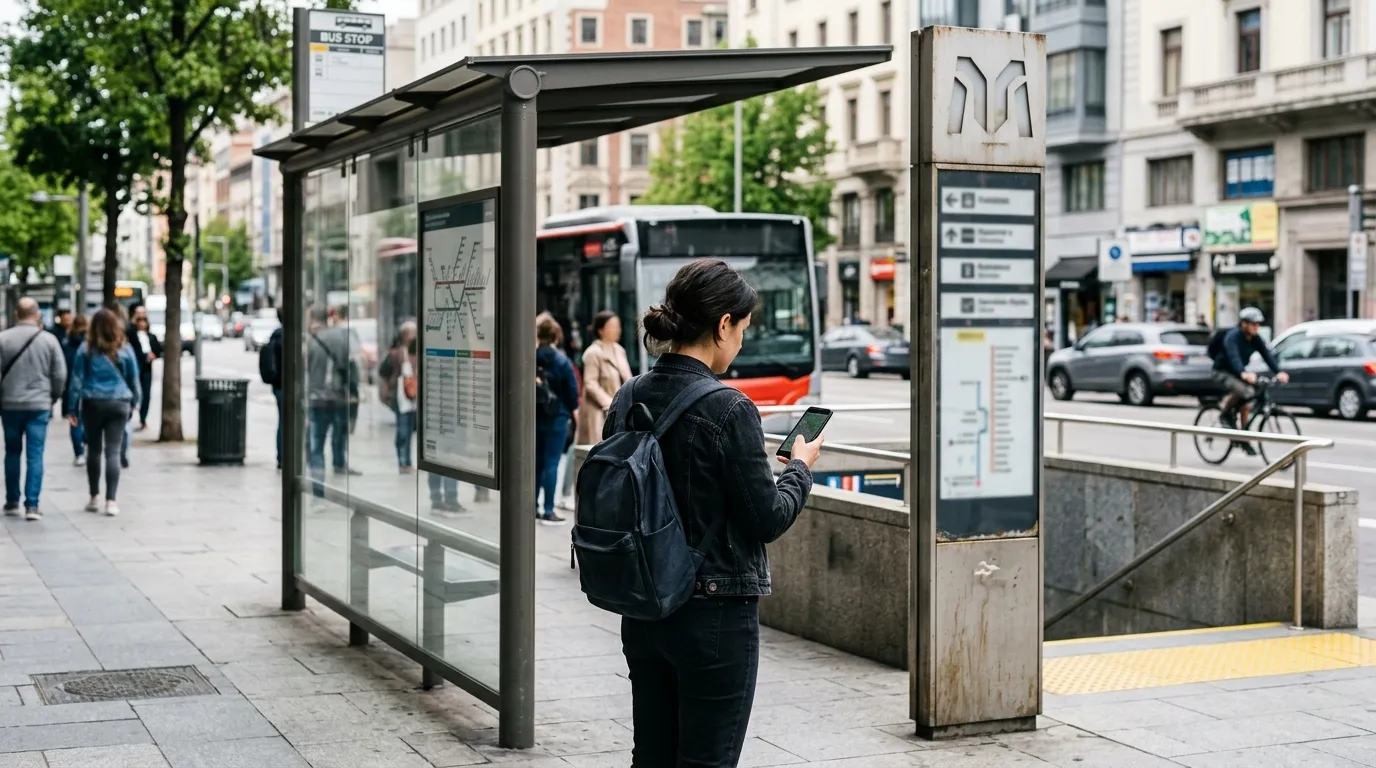
On public transport, keep your bag in front and your documents at the hotel or at home. In crowded metro and buses, keep your wallet and phone out of your back pocket. And a golden rule for any driver: if you are not driving with the same attention you use at home, it is not in the destination that the attention disappears.
Your health comes first
Before traveling, the essential is not to stockpile medicine, it is to check what you already use. Daily medication goes for double the number of days and always in carry-on. If the medication is controlled, bring the prescription and ideally a doctor’s note in English and Spanish — some countries block controlled medication without proof.
Put together a small first-aid kit: painkiller, fever reducer, bandages, antiseptic; it is enough for most small problems without hunting for a pharmacy at odd hours. Write down the insurance telemedicine center’s number and a clinic near your lodging. If you have a chronic condition, the ideal is to carry a summary of your care in a language understood at the destination.
Check the destination’s vaccines and health requirements in the days before departure, at the official source, not on a blog. And reconcile the food with your stomach: water of unknown origin, dubious ice, and raw food on the street are the classic villains of a trip that ends in the bathroom and the doctor.
Know what to do in an emergency
When something goes wrong, what separates a morning of trouble from a week of chaos is knowing exactly the first three steps. Write these down before you travel, because in the moment of a crisis nobody thinks clearly.
If your documents are lost, the first step is always the local police, to file a report that works as proof. The second is to contact your country’s consulate or embassy — they issue an emergency document for your return. The third is to use the copies you saved to prove who you are and speed everything up. Without a copy, the process drags; with one, it becomes bureaucracy.
If you are robbed, put your safety ahead of your money and possessions. What was taken is material; your well-being does not come back with a refund. After the shock, block cards and your chip, disable payment apps, and tell your family and insurance. For a medical emergency, call the local service first, then the insurance center, which directs you to the right hospital and handles direct payment.
Common mistakes that ruin a trip
- Keeping your documents in one single place. One theft takes everything and ends the trip.
- Buying cheap insurance just to save money. Symbolic medical coverage does not pay a hospital.
- Carrying all your money and all your cards in the same pocket. One scam takes it all.
- Picking lodging without checking the neighborhood. A poorly lit area attracts a bad encounter.
- Accepting a ride or a trip without confirming the plate and name. The classic transport scam.
- Forgetting a controlled medication in checked baggage. The bag goes missing and your medicine goes with it.
- Not knowing what to do without your documents. The consulate and a police report fix it fast, but nobody remembers them at the time.
In the days before departure
Recheck the flight status 24 hours out and do your online check-in as soon as it opens. Save the insurance policy, document copies, and the consulate number offline. Write the insurance phone number and the lodging address on paper so you do not depend on your phone battery.
Before leaving, tell someone you trust your route and return date, and set a day to check in and confirm all is well. A good trick is to leave a physical copy of everything with that person, in case they need to help you from a distance. Traveling safely is traveling with the plan B in the right place.
Frequently asked questions
Is travel insurance worth it for a short trip?
It is, and not because of convenience — it is because of the hospital bill. A single night of emergency care abroad can cost thousands, and the insurance covers that for a fraction of the price. Buy it before you go, because almost every policy requires the purchase to come before the trip starts.
Better to bring a card or cash?
Both. An international credit card is your main tool, a prepaid card in local currency is the backup, and a small amount of cash handles taxis, tips, and small merchants that do not take cards. Never rely on one card alone or keep all your money in the same pocket.
What should I do if my documents are lost or stolen?
Go to the local police and file a report, which serves as proof of what happened. Then contact the consulate or embassy of your country, which will issue an emergency document for your return. The copies you saved in the cloud and left with someone you trust speed up the whole process.
My phone was stolen during the trip — now what?
Block the phone and the chip through the carrier and your bank app as soon as possible, and turn off facial recognition in your payment apps. Keeping a physical card and some cash stored separately keeps a stolen phone from becoming the end of the trip.
Informational content. For risky situations or technical, legal or medical doubts, talk to a professional.