 Step by Step Guide
 How to get rid of fridge odor
Find the source of refrigerator odor, clean shelves, drawers, gaskets, and the drain, set a safe temperature, and keep smells from returning.
Updated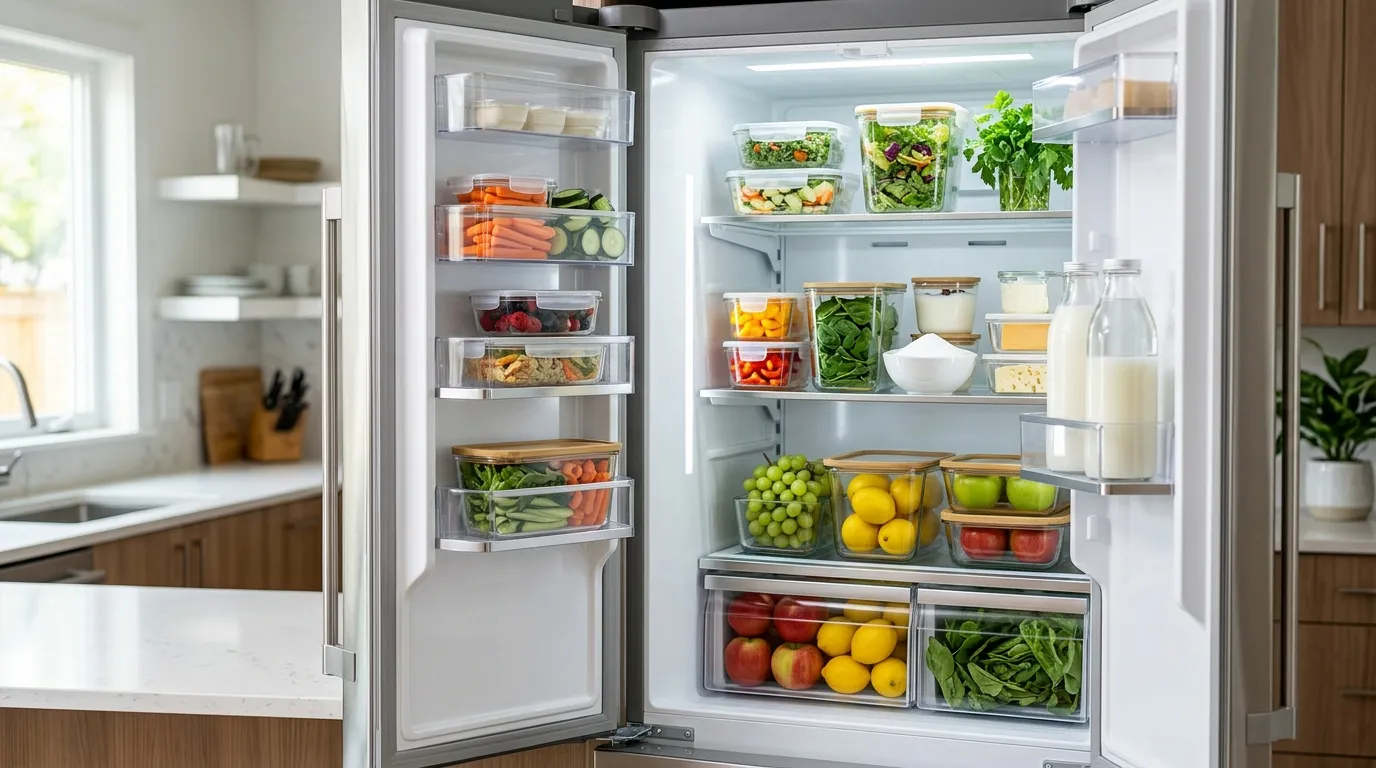
An open box of baking soda may soften a faint refrigerator smell, but it cannot fix spoiled food, trapped liquid, or a dirty door seal. Lasting removal begins by finding the source. Cleaning, odor absorption, and prevention come only after that source is gone.
The job becomes quicker when it follows a sequence. Empty and inspect the contents, wash removable parts and the cabinet, clean the gaskets, and check the water path. When food returns, closed containers and the correct temperature help prevent new odors and make the next spill easy to identify.
Safety: keep perishable food properly chilled during cleaning and discard anything spoiled or held at an unsafe temperature. Unplug the refrigerator before cleaning near electrical parts, and never mix bleach, vinegar, ammonia, or other cleaners.
Locate the source before masking it
Look for spoiled food, uncovered dishes, torn packaging, bruised produce, liquid below drawers, and residue in corners. Smell one shelf area at a time rather than assuming the entire cabinet is affected. Check containers that look empty and the small items stored in door bins.
Consider the character of the odor. Sour, rancid, or food-like smells commonly come from contents or a spill. A burning, hot-plastic, or electrical smell requires you to stop using the appliance and arrange service; an odor absorber is not appropriate. Inadequate cooling, pooled water, or unusual operation can also point to a maintenance issue.
Note dirty locations before taking the interior apart. This keeps the work focused on the cause instead of only the most visible surfaces.
Empty the refrigerator and inspect food
Prepare a cooler with ice or cold packs. Move meat, dairy, prepared dishes, and other perishables first. Group similar items so they can be returned quickly, keep the cooler closed, and complete the cleaning without long interruptions.
Check dates, appearance, packaging, and signs of leakage. Discard spoiled items, and do not taste food to decide whether it is safe. When a perishable item has been warm for an unknown period, choose the safer option. Set reusable containers aside to wash before they go back.
Remove shelves, drawers, and bins according to the manual, without forcing clips. Very cold glass can crack under sudden hot water. Allow it to approach room temperature before washing.
Wash shelves, drawers, and interior walls
Wash removable parts with warm water, mild dish soap, and a soft sponge. Rinse and dry them fully. Avoid abrasives, steel wool, and solvents that can scratch surfaces or leave odors. Soak a removable part or hold a damp cloth over dried residue before wiping it gently.
Inside the cabinet, pick up crumbs and liquid first. Wipe with warm water and mild dish soap, starting at the ceiling, continuing down the walls, and finishing at the bottom. A soft paste of baking soda and water may help on lingering stains and smells if the manual allows it; remove all traces afterward with a clean damp cloth.
Dry corners, supports, and the cabinet floor before reinstalling parts. Trapped moisture can renew an odor and cause unwanted ice.
Clean gaskets, corners, and the door
Gently open the folds of the door gasket and remove crumbs, sticky liquid, and residue with a damp cloth and mild soap. A small soft brush reaches the grooves without puncturing or stretching the material. Finish with a clean damp cloth, then dry the seal.
Clean the lower edge of the door, accessible hinge areas, bins, and the surface where the gasket meets the cabinet. Grease in this strip traps smells and interferes with closing. Look for cracks, deformed areas, and loose sections. If the door does not seal, follow the manual or arrange repair instead of trying to glue or heat the gasket.
Wipe the handle and exterior with a product compatible with its finish. Use a different cloth so exterior soil does not return to the food compartment.
Check the drain and drip pan
Some models have a drain channel or opening inside the compartment and an evaporation pan near the compressor. Consult the manual to locate them and determine which parts are user-accessible. Debris in the drain or standing water in the pan can maintain an odor after the cabinet looks clean.
If the manual permits, wipe the drain entrance with a cloth or soft brush and use only the recommended unclogging method. Do not insert wire, a knife, or another rigid object that could puncture the tube. Remove and wash the drip pan only if it is designed for tool-free user removal.
Recurring water, an inaccessible spill, or a smell from the rear calls for service. Do not work around wiring, fans, or the compressor.
Absorb residual odor and organize food
Once everything is clean and dry, leave the door open for a few minutes while the appliance remains unplugged, provided the area is safe. Reassemble and restart it according to the manual. A low, stable container of baking soda or activated charcoal intended for odor absorption can address a trace smell; it cannot correct dirt or a cooling failure.
Move strong-smelling foods into tightly closed containers. Wipe the outside of jars and bottles before storing them. Place items likely to leak, including thawing meat, on washable trays and keep them separated from ready-to-eat food.
Do not block air outlets with containers or pack shelves so tightly that air cannot circulate. Reasonable spacing helps the compartment maintain a more even temperature.
Set the temperature and build a routine
Place an appliance thermometer near the center and check it after the refrigerator stabilizes. Keep the fresh-food compartment at 40 °F (4 °C) or below without freezing food, and follow the manufacturer’s instructions for adjustment. If it fluctuates widely or stays too warm, check the door seal and arrange maintenance.
Once a week, review leftovers, produce, open containers, and dates. Clean spills immediately, before liquid reaches drawers or drains. Label containers with the contents and date, place older items at the front, and avoid leaving food uncovered.
Monthly, or as needed, look below the drawers and clean the folds of the gasket. Replace or refresh the odor absorber according to its directions and wash its holder. Prevention takes only a few minutes while a spill is still contained.
Common mistakes
- Masking the odor while leaving the source. Coffee, baking soda, and fragrances cannot make spoiled food safe.
- Mixing cleaning products. Household combinations can create dangerous gases and leave residues near food.
- Washing cold glass in hot water. Sudden temperature change can crack a shelf.
- Ignoring gaskets and the space under drawers. These areas commonly hide liquid and crumbs.
- Pushing a sharp object into the drain. A punctured tube can create a concealed leak.
- Returning food uncovered. Odors circulate, food dries out, and leaks become more likely.
When the source is removed, every area is dry, and the temperature is stable, the odor should fade. A smell accompanied by heat, leaking, or poor cooling is a service warning, not a deodorizing problem.
Frequently asked questions
Does baking soda eliminate refrigerator odors?
It can absorb some residual odors, but it cannot replace removing the source and cleaning the appliance. Use it in a stable open container after cleaning, keep it away from children and pets, and replace it when it no longer works.
Can I clean the refrigerator with bleach?
Follow the appliance manual and product directions. Warm water and mild dish soap are usually enough for routine cleaning. Never combine bleach with vinegar, ammonia, or another cleaner, because the mixture can release dangerous gases.
Why does the smell return after cleaning?
Liquid may remain under a drawer, a package may be leaking, food may have spoiled, or debris may be trapped in the gasket, drain, or external drip pan. Also check the temperature and make sure the door seals fully.
When does a bad smell suggest an appliance problem?
A burning, hot-plastic, or electrical smell is not a food odor. Turn the appliance off if it is safe to do so, protect the food in cold storage, and seek service. Poor cooling, unusual noise, or recurring leaks also need evaluation.
Informational content. For risky situations or technical, legal or medical doubts, talk to a professional.