 Step by Step Guide
 How to save electricity at home without giving up comfort
Learn how to identify your biggest energy users, adjust cooling and heating, reduce standby waste, improve lighting, and measure whether the changes work.
Updated
A high electricity bill is rarely caused by one forgotten light. It usually comes from a few powerful appliances combined with routines that repeat every day. That is why small actions can feel disappointing when heating, cooling, or hot-water use has not changed.
The useful way to think about energy is simple: consumption depends on how much power an appliance draws and how long it runs. Use that idea to rank changes instead of trying dozens of tips at once. Keep the adjustments that preserve comfort and produce a measurable difference in your own home.
Safety first: do not open appliances, electrical panels, outlets, or fixed wiring to look for savings. If a plug, cable, or outlet feels hot, smells burned, sparks, or repeatedly trips a breaker, stop using it and call a qualified electrician.
Find the largest energy users
Walk through the house and list equipment that heats, cools, dries, or uses a motor. Include electric water heating, air conditioning, refrigerator, freezer, clothes dryer, electric oven, dishwasher, washing machine, and water pump. Note how often each item operates and, when available, its wattage from the label or manual.
You do not need a perfect calculation. Wattage multiplied by hours of use gives a practical basis for comparison. A lower-power device running continuously may matter more than a powerful one used briefly. Begin with the top three or four items on your list because that is where a realistic habit change is most likely to show up on the meter.
Reduce the energy used for hot water
Electric water heating can be a major load. Shorten showers without making them uncomfortable, turn off the water while lathering, and use a moderate temperature. If your heater has an approved seasonal or temperature setting, choose the lowest setting that still meets the household’s needs and follow its manual.
Fix dripping hot-water faucets, because every drop has already been heated. Run dishwashers and washing machines with full, appropriate loads, and choose cold-water laundry cycles when the fabric and detergent allow. Do not alter wiring, heating elements, or safety controls yourself.
Make cooling and heating work less
Set the thermostat to a comfortable, moderate level instead of the extreme end of its range. Close doors and windows while air conditioning or electric heating is running. Curtains, shades, and exterior shading can reduce direct sun during hot hours; in cool weather, use available sunlight during the day and close coverings after dark.
Clean reusable filters according to the equipment manual and keep indoor and outdoor airflow paths clear. A fan can improve air circulation and comfort, sometimes allowing a gentler thermostat setting. If a room never reaches the selected temperature, check for open gaps, dirty filters, or equipment trouble rather than selecting an even more extreme setting.
Help the refrigerator run efficiently
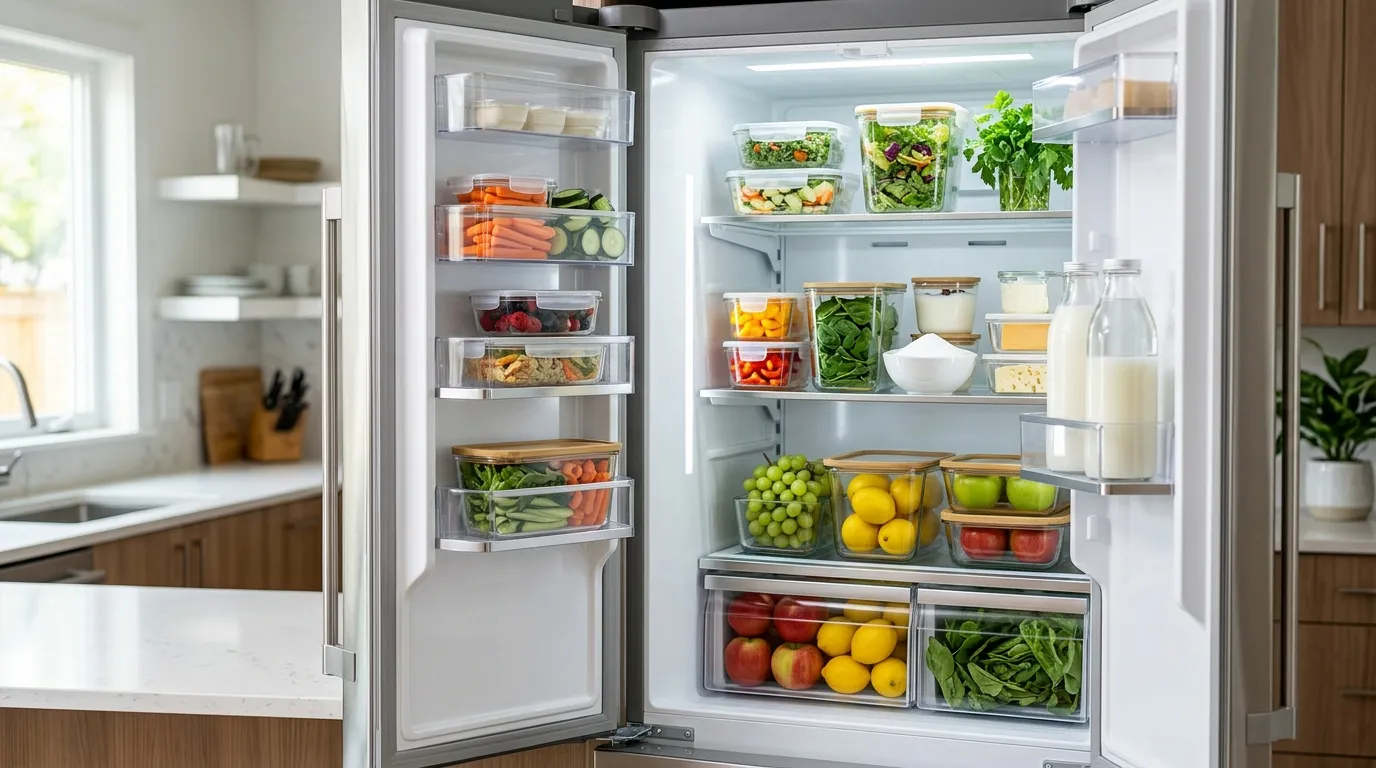
Check the fresh-food compartment with a refrigerator thermometer and use the manufacturer’s recommended range. An unnecessarily cold setting wastes energy, while a setting that is too warm can compromise food safety. Let hot food cool briefly, without leaving it out longer than is safe, then refrigerate it in shallow covered containers.
Make sure the door closes fully and inspect the gasket for dirt, cracks, or loose areas. Clean it with mild soapy water and dry it. Leave the ventilation clearance required by the manual, keep the appliance away from strong heat when possible, and avoid browsing with the door open. Defrost a manual-defrost model when ice buildup reaches the limit specified by its manufacturer.
Improve lighting where it matters most
Replace inefficient bulbs first in fixtures that stay on longest. Choose LEDs by lumens, which indicate light output, and confirm that the bulb suits the fixture, especially in enclosed fittings or damp locations. Use a comfortable color temperature for the room and avoid buying a brighter bulb than the space needs.
Open curtains and arrange work areas to use daylight without adding glare or indoor heat. Turn off lights in empty rooms. Timers or occupancy sensors can help in utility areas and outdoor spaces, but a simple, consistent routine often provides most of the benefit.
Control standby loads safely
Televisions, game consoles, speakers, monitors, printers, and set-top boxes may continue drawing power in standby. Group compatible entertainment or office devices on a power strip with a switch, then turn the strip off when the group will not be used for several hours.
Do not switch off equipment that must remain powered, such as refrigerators, essential network devices, alarms, medical equipment, or anything whose manual requires a shutdown process. Never overload a power strip or connect one power strip to another. Unplug rarely used appliances individually and hold the plug, not the cord.
Change repeatable household routines
Run laundry and dishwashing appliances with full loads that still allow proper cleaning. Air-dry clothes when practical, and use a dryer’s moisture sensor instead of adding time automatically. When ironing, group garments into one session so the iron does not repeatedly heat from cold.
Match cooking equipment to the task. Use lids on pots, select a burner that fits the pan, and avoid opening an electric oven repeatedly. Reheat small portions with an appropriately sized appliance. Agree on simple shared routines, such as turning off empty-room lights and closing doors in conditioned spaces, so savings do not depend on one person reminding everyone.
Measure, compare, and keep what works
Record the meter reading on the same day and at the same time every week. The difference between two readings is the electricity used during that period. Alongside it, note major factors such as a heat wave, guests, extra laundry, or a newly changed routine.
Change one or two important habits at a time and compare several similar weeks. A plug-in monitor can help with compatible appliances, but it should never be used beyond its electrical rating or with equipment the manufacturer excludes. Seasonal weather can outweigh small improvements, so use longer comparisons and similar conditions before judging the result.
Common mistakes
- Starting with tiny loads only. Charger and lighting changes help, but heating, cooling, hot water, and drying often deserve attention first.
- Using extreme thermostat settings for faster results. Most systems simply run longer; the extreme setting does not necessarily change how quickly they heat or cool.
- Making the refrigerator colder than necessary. More cooling is not automatically safer and can waste power.
- Blocking appliance ventilation. Trapped heat makes refrigerators and some electronics work harder and may shorten their useful life.
- Comparing unlike weeks. Weather, travel, and visitors can hide the effect of a good change.
- Buying a replacement before measuring. Maintenance and routine changes may solve the problem; compare reliable consumption information before replacing equipment.
The best energy plan is the one your household can repeat. Focus on the largest loads, make safe changes, and let regular meter readings show which habits are worth keeping.
Frequently asked questions
Which appliances usually use the most electricity at home?
Appliances that heat, cool, or dry usually lead the list, including electric water heaters, air conditioners, refrigerators, clothes dryers, and electric ovens. Actual use depends on wattage, operating time, climate, and the condition of each appliance.
Does unplugging appliances really save electricity?
Yes, although the saving from one device is generally small. Standby loads become more meaningful when several electronics remain connected around the clock. A switched power strip makes it easier to turn off a group safely.
Is replacing every bulb with LED worth it?
It usually is, especially for fixtures used for many hours each day. Start with kitchens, living areas, hallways, and outdoor lights. Match brightness in lumens and choose a suitable color temperature rather than buying by wattage alone.
How can I check progress before the next bill arrives?
Record the electricity meter at the same time and day each week. Subtract the earlier reading from the later one, then compare similar weeks while noting weather, visitors, and any changes in routine that could affect the result.
Informational content. For risky situations or technical, legal or medical doubts, talk to a professional.